
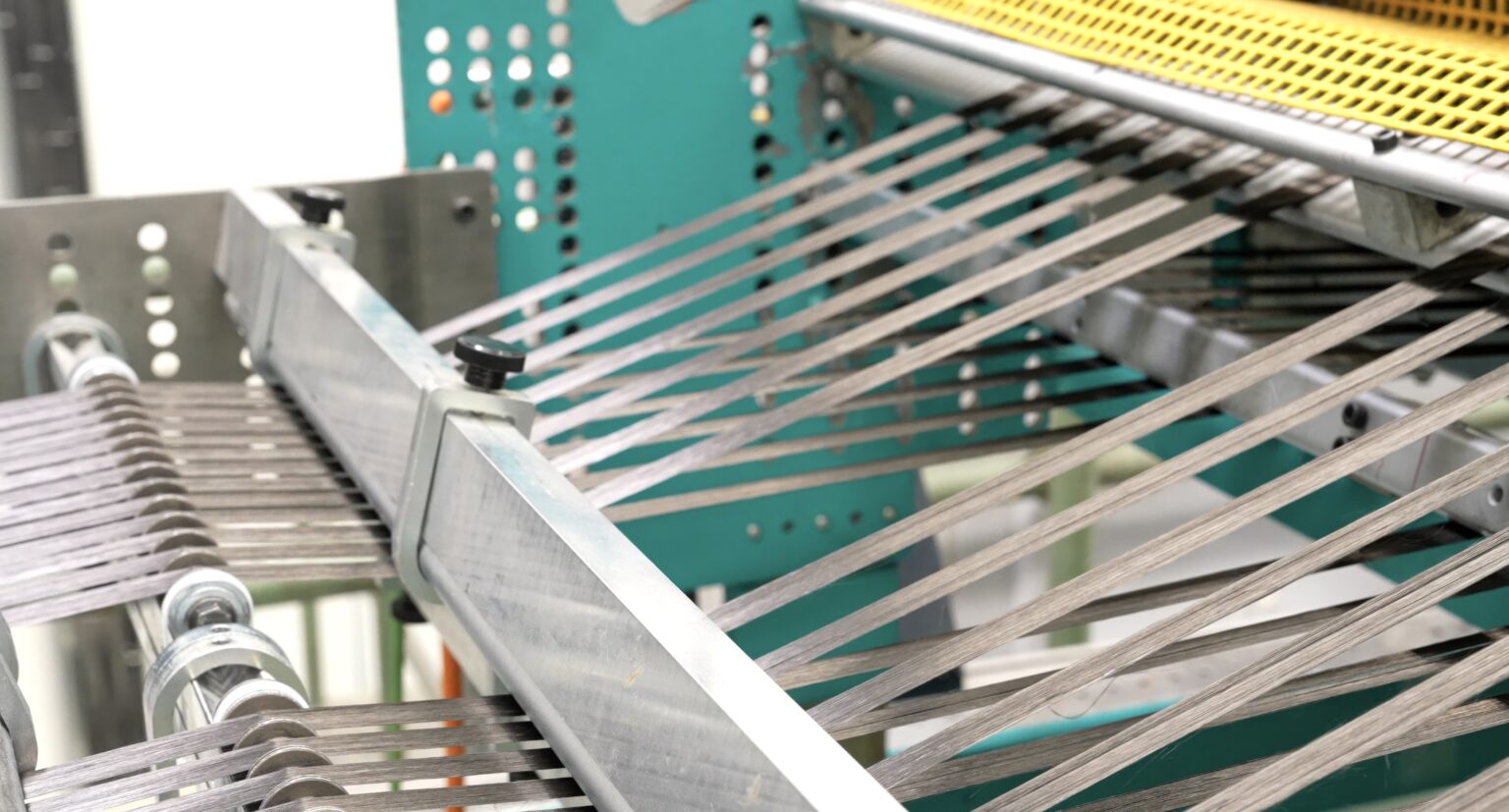
Carbon fiber spreading lines are among the most valuable assets in carbon multiaxial fabric manufacturing. Their ability to produce consistent, high-quality spread tows directly affects the quality of UD tapes, multiaxial non-crimp fabrics and ultimately the performance of the final composite component.
Many spreading lines installed 15–20 years ago are still mechanically reliable. With proper maintenance, their frames, rollers and spreading mechanisms continue to deliver excellent production results. The real challenge, however, is no longer mechanical—it lies in the aging automation systems that control them.
The Cost You Don’t See
As automation components become obsolete, manufacturers increasingly face software failures, aging PLCs and motion controllers, discontinued electronic spare parts and a shrinking pool of qualified service engineers.
Individually, these issues may seem manageable. Together, they create a hidden cost that reduces productivity, increases maintenance expenses and threatens long-term production continuity.
Downtime Adds Up Quickly
Unlike mechanical components, obsolete electronic hardware is often impossible to replace quickly. Unsupported software and unavailable spare parts can turn what should be a routine repair into days—or even weeks—of unplanned downtime.
The consequences extend far beyond lost production, affecting delivery schedules, manufacturing flexibility and overall operational efficiency.
Modernizing Instead of Replacing
Although the electronics may have reached the end of their lifecycle, the mechanical structure of many spreading lines still has years of productive service ahead. Replacing an entire machine is therefore rarely the most cost-effective solution.
A complete automation retrofit upgrades the control system with modern PLCs, motion control, HMIs, industrial communication networks and remote diagnostics while preserving the existing mechanical platform.
A Smarter Long-Term Investment
Replacing individual electronic components may keep production running temporarily, but it does not eliminate the underlying risk of obsolete automation.
By modernizing the electrical and control systems, manufacturers can extend equipment life, improve reliability and reduce operational risk without the expense of purchasing a new production line.
For many composite manufacturers, automation retrofit has become a strategic investment that protects existing assets while ensuring stable, efficient production for years to come.
To learn more about BTU-TECH innovative technologies, please visit www.btu-tech.com and in particular the innovative BTU-TECH Carbon Spreader Retrofit System.
To discuss your projects, please contact us via LinkedIn or send us an email at info@btu-tech.com.